
Shipping containers are built to handle demanding conditions, but transporting cargo is only the beginning of what they can do. With proper planning and the right modifications, a container can become a workshop, office, retail space, pool, or even part of a larger building.
Their steel construction, ground-level access, and available size options make containers useful for residential, commercial, agricultural, and industrial projects. They can also be customized with doors, windows, electrical service, insulation, shelving, ventilation, paint, and climate control.
Here are 11 creative uses for shipping containers and what to consider before starting your project.
1. Build a Shipping Container Pool
A shipping container pool can give a backyard a distinctive, modern appearance. Depending on the design, the container may be installed above ground, partially buried, or completely in the ground.
Have a qualified pool contractor or structural engineer review the design. Local requirements for permits, fencing, electrical work, and pool safety may also apply.
2. Create a Shipping Container Home
Container homes are popular with people interested in alternative construction. One container may provide enough room for a compact cabin or guest space, while multiple containers can be joined to create a larger layout.
Insulation and moisture control are especially important in the heat and humidity of Louisiana and Mississippi.
Removing walls or joining containers can affect their structural integrity, so plans should be reviewed by qualified professionals and meet local residential codes.
3. Add a Backyard Workshop
A shipping container can provide dedicated space for woodworking, equipment repair, gardening, crafting, or another hobby that has taken over the garage.
Heavy-duty cargo doors help secure tools and equipment when the workshop is not in use. Shelving, workbenches, tool racks, personnel doors, windows, lighting, and electrical outlets can make the interior more functional.
Climate should also be considered. Insulation, ventilation, humidity control, or air conditioning may be needed to protect your equipment and keep the workshop comfortable throughout the year.
4. Open a Retail or Pop-Up Shop
Containers can be converted into attention-grabbing retail spaces for boutiques, farm stands, merchandise shops, ticket booths, and seasonal businesses.
A container shop can potentially be relocated if business needs change, but moving one requires professional hauling equipment and a clear delivery route. Owners should also confirm requirements for commercial occupancy, accessibility, utilities, parking, and signage.
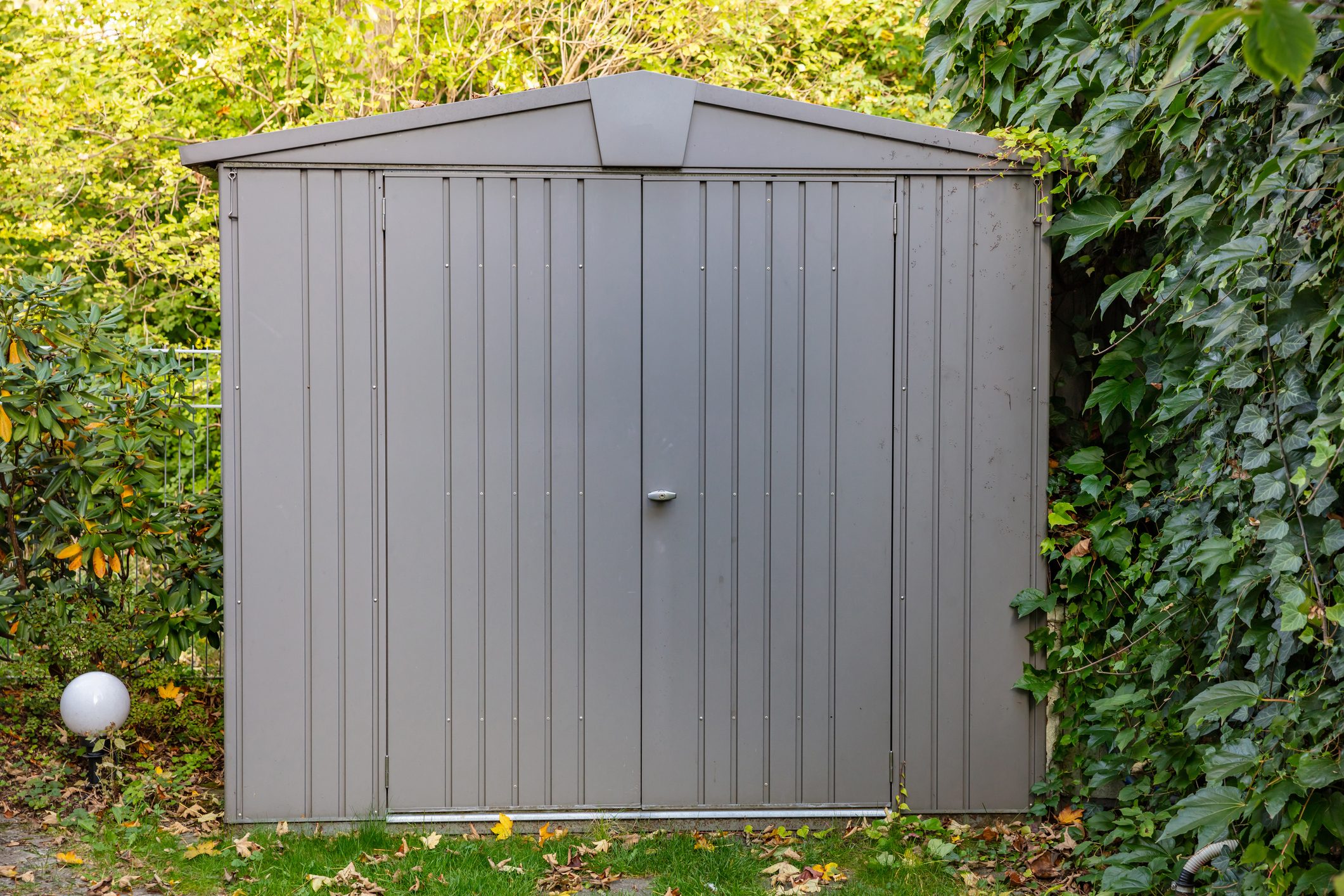
5. Use It as a Secure Storage Shed
One of the most practical shipping container uses is creating additional storage on your property. A container can hold lawn equipment, tools, business inventory, recreational gear, seasonal decorations, and supplies that no longer fit in a garage.
Although containers are designed to withstand harsh conditions, they still require proper placement and maintenance. A firm, level surface, good drainage, ventilation, and exterior care can help reduce condensation, standing water, and corrosion.
6. Create a Café or Food-Service Space
A modified container can serve as a coffee stand, concession booth, snack bar, or compact commercial kitchen. Service windows can be added along the side, while the interior can accommodate counters, preparation areas, refrigeration, and storage.
Food-service conversions require careful planning. Plumbing, ventilation, electrical capacity, fire suppression, drainage, washable surfaces, and commercial kitchen equipment may be necessary. The completed space must also meet applicable health department and fire code requirements.
Unlike a traditional food truck, a container café is usually delivered to a prepared location and remains stationary until professional equipment is used to move it again.
7. Set Up a Jobsite Office
Construction companies, contractors, and industrial facilities can use modified shipping containers as secure offices near an active work area.
A jobsite office may include windows, a personnel door, electrical outlets, lighting, insulation, heating and air conditioning, desks, and file storage. A divided layout can provide both an office and a secure area for tools or materials.
This gives project managers and crews a place to complete paperwork, review plans, hold meetings, and take breaks without leaving the jobsite. Explore our modification options for containers used as offices and workspaces.
8. Build a Photography Studio or Darkroom
Because a container is enclosed, it can work well as a photography studio or traditional film darkroom.
A darkroom may require light-sealed entry points, controlled lighting, plumbing, ventilation, work surfaces, and temperature management. A photography studio could include finished walls, electrical outlets, storage cabinets, backdrop supports, windows, and climate control.
The interior width of a container makes layout planning important. Counters, storage, and equipment should be positioned carefully so the space remains safe and comfortable to use.
9. Design a Clubhouse or Recreation Room
A container can become a backyard clubhouse, game room, poolside changing area, or recreational space. Windows, custom paint, flooring, lighting, seating, and themed décor can make the interior feel less industrial.
If children will use the space, safety must come first. Sharp edges should be removed or covered, and the container needs safe entry points, ventilation, and temperature control. A closed metal container can become dangerously hot in direct sunlight.
Decks, climbing features, rooftop spaces, and other structural additions should be professionally designed and built.
10. Create Agricultural Storage or Workspace
Farms, nurseries, landscapers, and rural property owners can use containers to store tools, fencing supplies, irrigation equipment, seed, seasonal materials, and maintenance equipment.
Not every product should be placed in a standard unmodified container. Chemicals, fuel, animal feed, and temperature-sensitive materials may require ventilation, climate control, separation, or additional fire-safety measures.
11. Build a Garage or Equipment Shelter
One or more shipping containers can be incorporated into a garage or equipment-shelter design. Containers may provide lockable tool storage, form the sides of a larger structure, or support a covered area between two units.
This type of project requires professional design. Removing walls, cutting wide vehicle openings, supporting a roof, or stacking containers changes how weight is distributed through the structure. An engineer or qualified contractor should determine the necessary foundation and reinforcement.
Steel construction also does not make the space automatically fireproof. Welding, vehicle repair, fuel storage, and other hot work require proper ventilation, electrical systems, and fire protection.

What Should You Consider Before Converting a Container?
Before purchasing a container, consider how it will be used and which features the finished space will need.
Container Size and Condition
A 20-foot container may work well for a compact workshop, office, or storage area. A 40-foot container provides more room for equipment, inventory, and divided layouts.
Inspect the doors, seals, roof, walls, floor, and understructure before selecting a container. Cosmetic wear may not matter for storage, but condition may be more important for a highly visible conversion.
Site Preparation and Delivery Access
Containers should be placed on a firm, level, well-drained surface. A tilt-bed delivery truck also needs enough room to reach the site, unload safely, and leave without encountering overhead or ground-level obstructions.
Review A&M Container’s delivery and pickup information when planning your site.
Permits and Custom Features
Permit requirements vary by city, parish, county, and project type. Confirm local rules before purchasing or modifying a container.
You should also consider whether the project needs doors, windows, insulation, shelving, electrical service, lighting, ventilation, air conditioning, humidity control, or custom paint.
Find the Right Container for Your Project
A shipping container can provide the foundation for practical storage, a dedicated workspace, or a completely custom build. The key is choosing the right container, preparing the site properly, and involving qualified professionals when structural or occupied-space modifications are needed.
A&M Container sells and customizes shipping containers for customers throughout Louisiana, Southern Mississippi, and surrounding areas. Our team can help you compare options, discuss available modifications, and coordinate ground-level tilt-bed delivery to an accessible site.
Visit our Ponchatoula facility, call us, or request a free quote to get started.